
Milk Thistle, Turmeric and NAC: A Quick Guide
Your liver is a powerhouse, working tirelessly to filter toxins and keep your body running smoothly. But in modern life, it can face a lot of stress. Have you ever wondered if you could give it some extra support?
Many people turn to natural supplements for liver health. Among the most popular are milk thistle, turmeric, and N-Acetylcysteine (NAC). This guide offers a clear, evidence-aware look at how they work, what the research says, and how to use them safely. We will explore their mechanisms, practical dosing, and when to be cautious.
Milk Thistle (Silybum marianum)
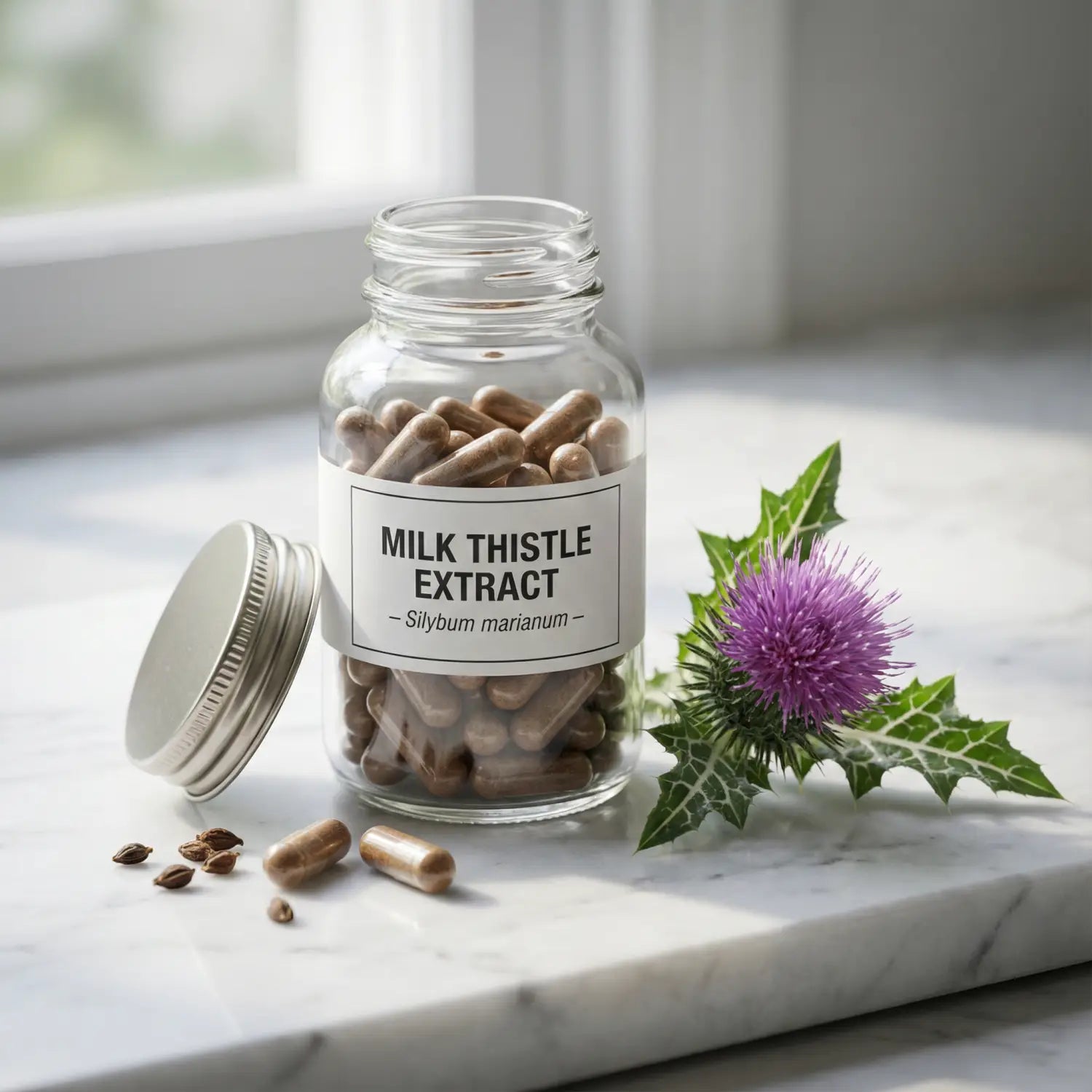
Milk thistle has been used for centuries for liver ailments. Its main active compound is silymarin, which is a complex of several beneficial plant compounds. Silymarin is a powerful antioxidant that helps protect the liver from damage caused by free radicals. It works by stabilising liver cell membranes and promoting the production of glutathione, a key antioxidant enzyme. Research suggests silymarin may also support the liver’s own detoxification pathways, primarily by inhibiting Phase I and inducing Phase II detoxification.
However, the clinical evidence for milk thistle is mixed. The British Liver Trust notes that studies have not found enough evidence to definitively say it works. Similarly, the National Center for Complementary and Integrative Health (NCCIH) in the US states there is not enough high-quality evidence to draw firm conclusions. One of the main challenges is its low bioavailability, meaning only a small fraction of what you consume is absorbed by the body.
For those who choose to use it, the European Medicines Agency suggests a daily dose of 300-600mg of silymarin, taken two to three times a day. Milk thistle is generally well-tolerated, but it can cause mild digestive issues. It is best avoided during pregnancy and breastfeeding, and you should speak to your doctor before taking it if you have a liver condition or are on other medications.
Turmeric (Curcuma longa)
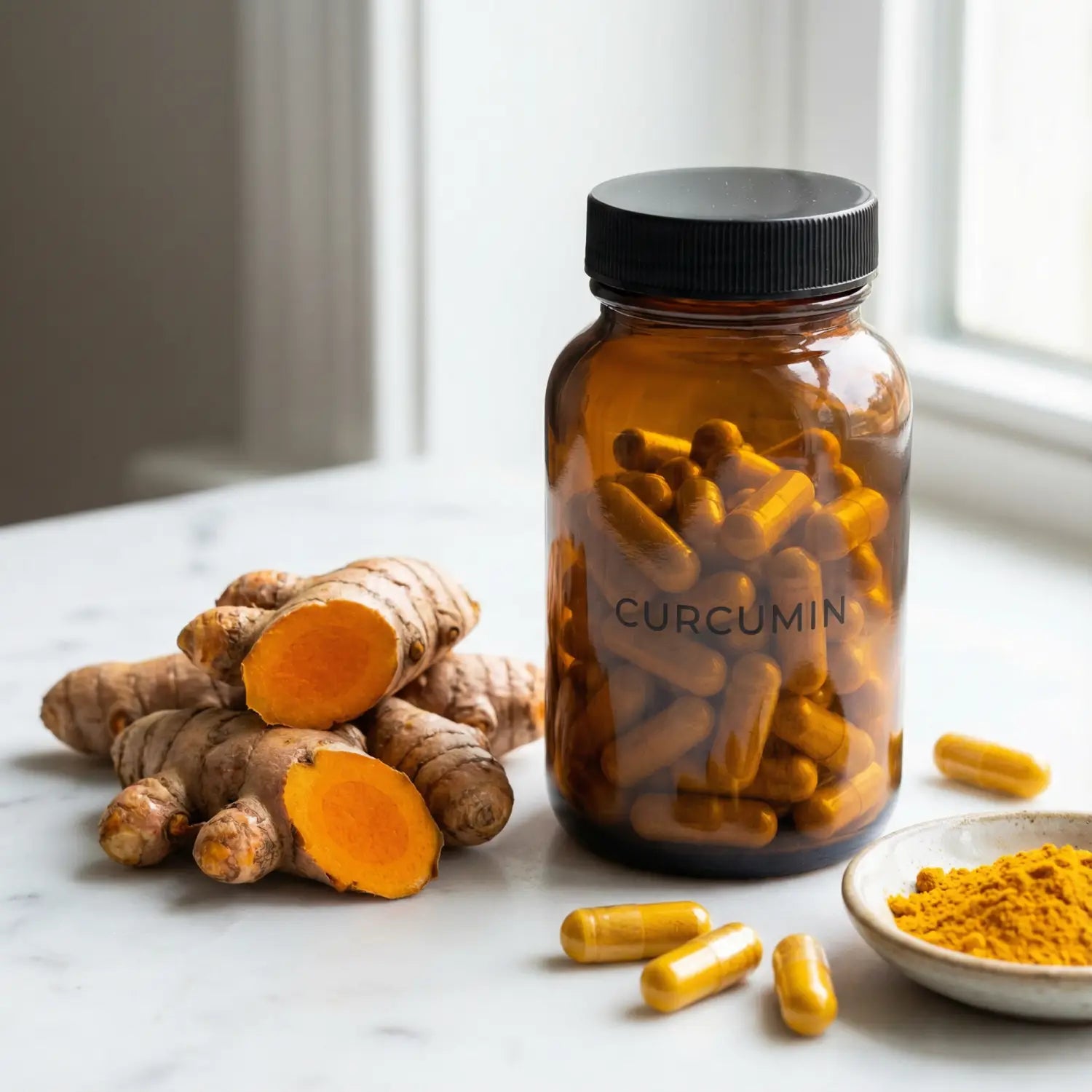
Turmeric is a bright yellow spice that has gained fame for its anti-inflammatory properties. Its active ingredient, curcumin, is a potent antioxidant that helps protect the liver from damage. Curcumin works by modulating several key pathways in the body. It activates the Nrf2 pathway, which boosts the body’s own antioxidant defences, and it helps to regulate inflammatory responses by influencing the NF-κB pathway.
Like milk thistle, curcumin has very poor bioavailability on its own. However, combining it with piperine (an extract from black pepper) can increase its absorption by up to 2000%. Many modern supplements use enhanced formulations to improve its effectiveness. A 2025 review published in PMC highlighted curcumin's potential to inhibit the progression of chronic liver disease through multiple molecular pathways, with animal studies showing promising results in protecting against alcohol-related damage and non-alcoholic fatty liver disease.
There is no standard dose for curcumin, as it depends heavily on the formulation. Doses in supplements typically range from 500mg to 2000mg per day. While generally safe, there have been rare reports of liver injury associated with turmeric supplements, so it is important to choose high-quality products and consult with a healthcare professional, especially if you have a pre-existing liver condition.
N-Acetylcysteine (NAC)
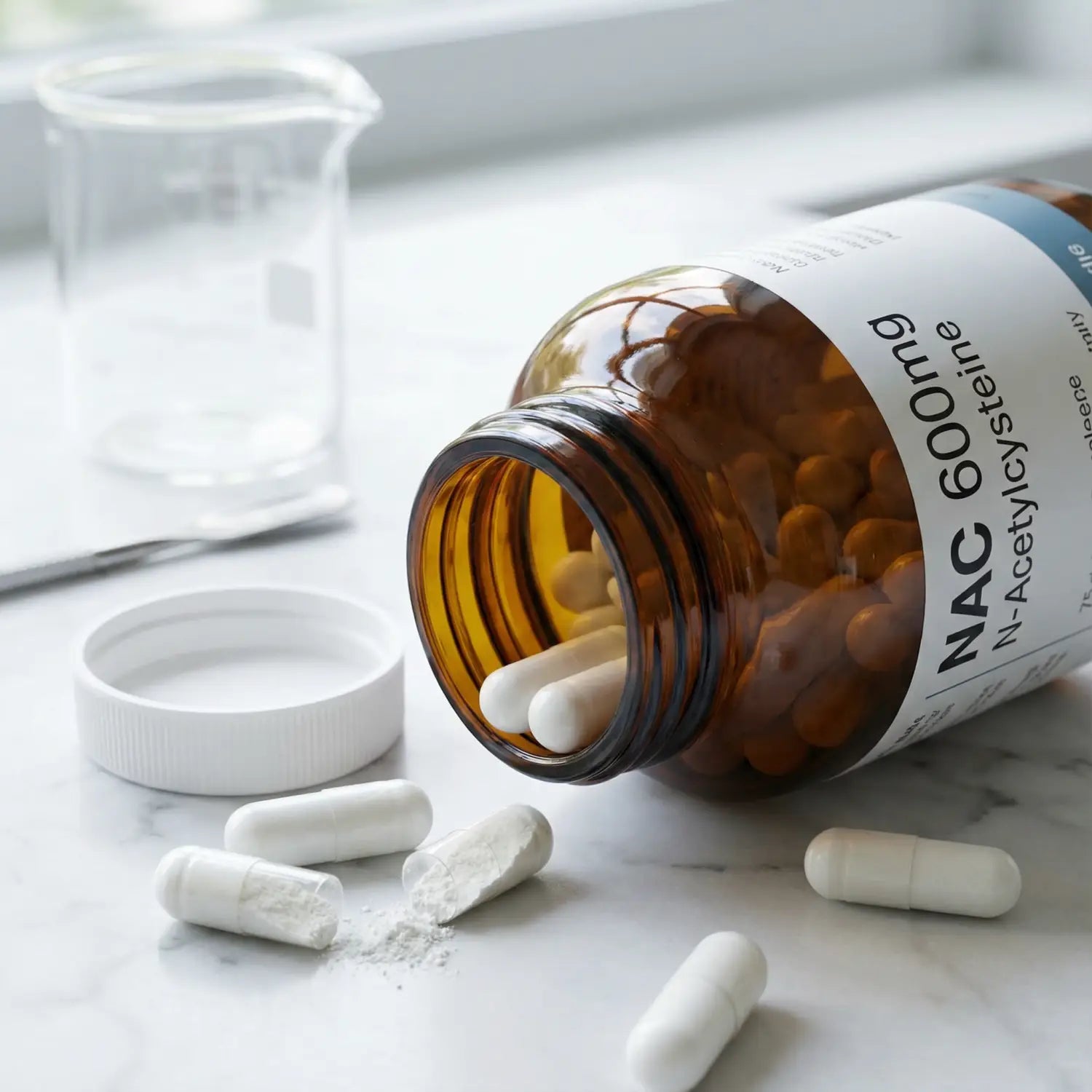
N-Acetylcysteine (NAC) is a supplement form of the amino acid cysteine. It has a powerful and direct impact on liver health because it is a precursor to glutathione, the body’s master antioxidant. When the liver is under stress, glutathione levels can become depleted. NAC helps to replenish these levels, providing the liver with the tools it needs to neutralise toxins and protect itself from damage.
NAC is so effective that it is used in hospitals as an antidote for paracetamol (acetaminophen) overdose, which can cause severe liver damage. Its mechanisms are well-understood. By boosting glutathione, NAC directly supports Phase II detoxification, the process by which the liver makes toxins water-soluble so they can be excreted from the body. It also functions as a direct antioxidant, scavenging harmful free radicals.
The clinical evidence for NAC is very strong, particularly in the context of drug-induced liver injury. It is well-absorbed by the body and has an excellent safety profile. For general liver support, oral doses typically range from 600mg to 1200mg per day. It is well-tolerated, even at high doses, and is considered safe for long-term use.
A Final Word
Supporting your liver is a smart move for your overall health. While milk thistle and turmeric show promise, NAC stands out for its strong clinical evidence and direct role in boosting the body’s master antioxidant. When choosing a supplement, it is always best to opt for high-quality products and consult with a healthcare professional to find the right approach for you.
Ready to explore your options? Take a look at our Cleanse & Detox collection for a range of carefully formulated supplements to support your health goals.
Leave a comment