

Powders vs Real Veg: Finding Balance
It's hard to scroll through social media without seeing someone mixing a vibrant green powder into their water. From promises of boundless energy to a flat stomach, greens powders have become a wellness sensation. But what's the real story? Are they a shortcut to good health, or just well-marketed hype?
This article will explore where greens powders fit, what you can realistically expect from them, and how to make an informed choice. We will look at the evidence, not the advertising, to find a sensible balance.
The Whole Food Foundation
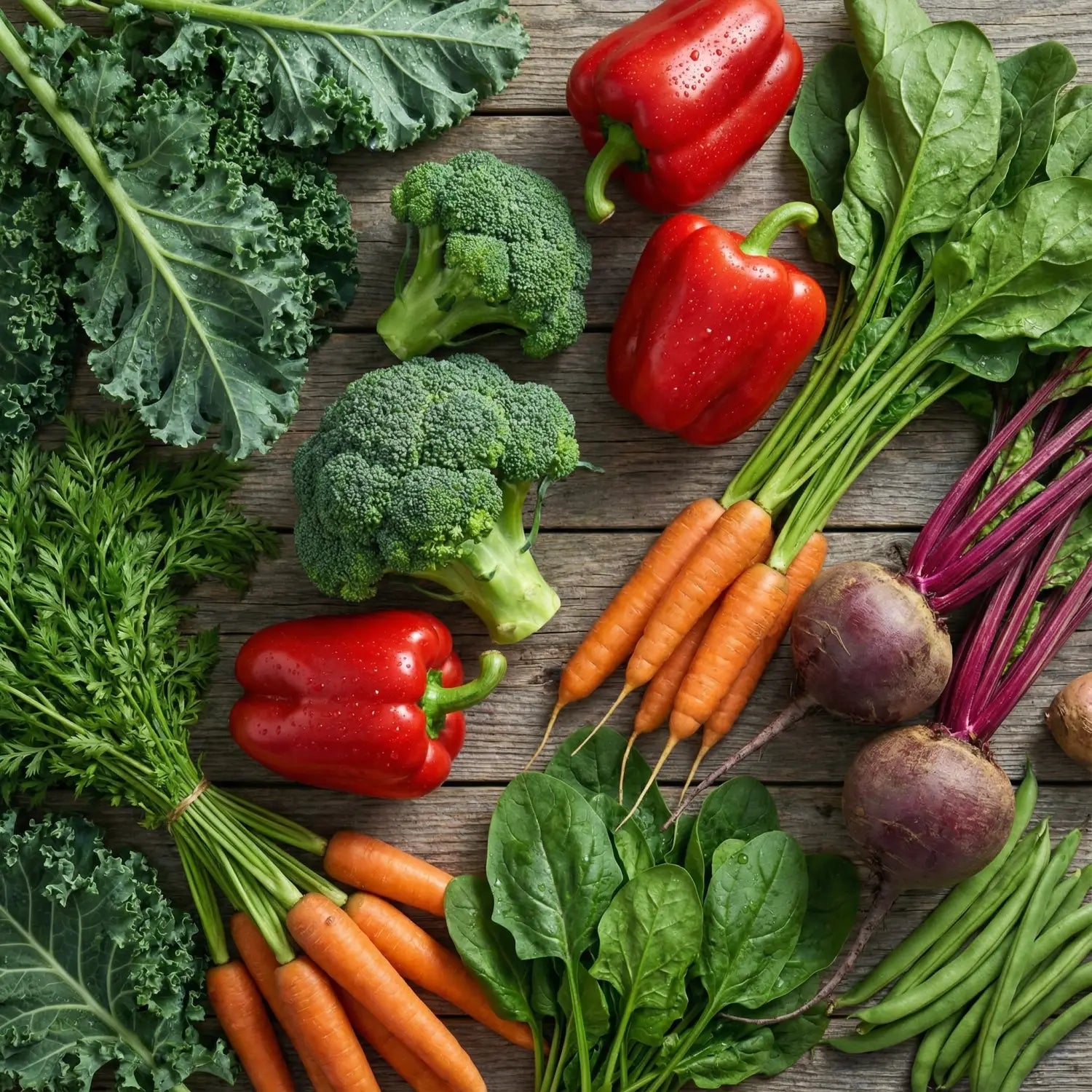
Before we look at powders, let's be clear. Nutrition experts in the UK are united on one point: whole foods come first. A balanced diet, rich in a variety of fruits and vegetables, is the most reliable way to get the nutrients your body needs. The NHS Eatwell Guide recommends that fruits and vegetables make up over a third of our daily food intake. This provides not just vitamins and minerals, but also fibre and other compounds that work together to support our health.
Greens powders are supplements, and as the British Dietetic Association points out, they are not a replacement for real vegetables and do not count towards your five-a-day. While they contain a concentrated dose of vitamins and minerals, they often lack the fibre found in whole vegetables. Most powders offer only one or two grams of fibre per serving, a fraction of what you would get from a portion of broccoli or spinach.
Where Greens Powders Can Fit In
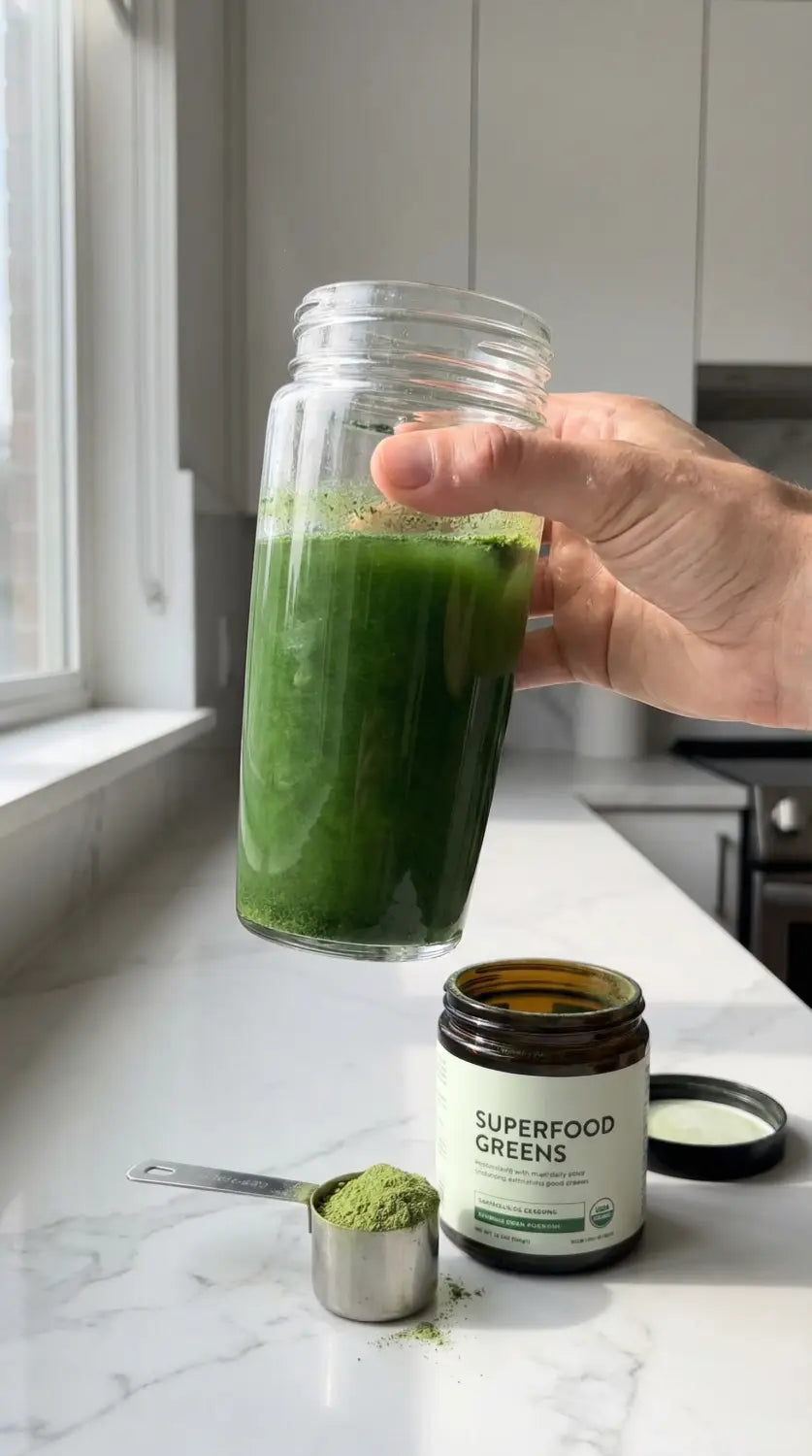
So, if whole vegetables are the goal, is there any place for a greens powder? The answer is yes, but with a clear sense of purpose. Think of them as a nutritional safety net, not your first line of defence. They can be a practical tool for bridging nutritional gaps in specific situations.
Consider these scenarios. If you have a demanding job or a hectic lifestyle that makes it genuinely difficult to consistently eat well, a greens powder can provide a quick nutrient boost. For those on diets that limit certain food groups, a powder can help fill in the missing vitamins and minerals. Athletes or individuals with very physically demanding jobs may have higher nutrient requirements that are tough to meet through food alone.
In these cases, a high-quality greens supplement can offer a convenient way to support your diet. It's about supplementing your intake, not substituting it.
What to Expect and How to Choose
It is important to have realistic expectations. While many powders contain ingredients like ginger or peppermint that can aid digestion, there is not enough evidence to suggest the small amounts found in these blends will resolve significant issues like bloating. Similarly, claims of a major energy boost are often based on self-reported feedback rather than robust scientific studies, as noted by the BBC.
If you decide to try a greens powder, the British Dietetic Association advises choosing a product from a reputable source. Look for a simple ingredients list without excessive fillers or artificial sweeteners. Check for third-party testing, which provides independent verification of quality and purity. This matters because products purchased from unknown online retailers may not meet UK standards or contain the amounts of active ingredients claimed on the label.
Finding Your Balance
Greens powders are not a magic solution, but they can be a useful tool when used correctly. The key is to see them for what they are: a supplement to a healthy lifestyle, not a replacement for one.
Focus on eating a wide variety of whole foods first. If you feel you need extra support, a quality superfoods supplement can be a sensible addition. It's about finding a balance that works for you and your life.
If you are interested in exploring high-quality food supplements, you can view our range of superfoods here.
Leave a comment