
Protein for Vegetarians: Beyond Eggs and Dairy
Are you getting enough protein on your vegetarian diet? It’s a common question, and one worth asking. While eggs and dairy are excellent sources, a truly robust vegetarian diet is rich in a wide variety of plant-based proteins. Getting enough protein is not just about hitting a number; it’s about providing your body with the essential building blocks for muscle, energy, and overall health.
This guide offers a straightforward look at vegetarian protein. We will cover how much you need, where to find it, and how to time your intake for optimal results, especially if you lead an active lifestyle. No fluff, just actionable advice to help you build a strong, healthy body.
How much protein do you really need?
Before you start overhauling your diet, it’s helpful to know what you’re aiming for. According to the British Nutrition Foundation, the average adult needs about 0.75 grams of protein per kilogram of body weight per day. For a 75kg man, that’s around 56 grams, and for a 60kg woman, it’s about 45 grams. Most people in the UK get more than enough protein, but active individuals and older adults may have higher needs.
The power of plant-based protein
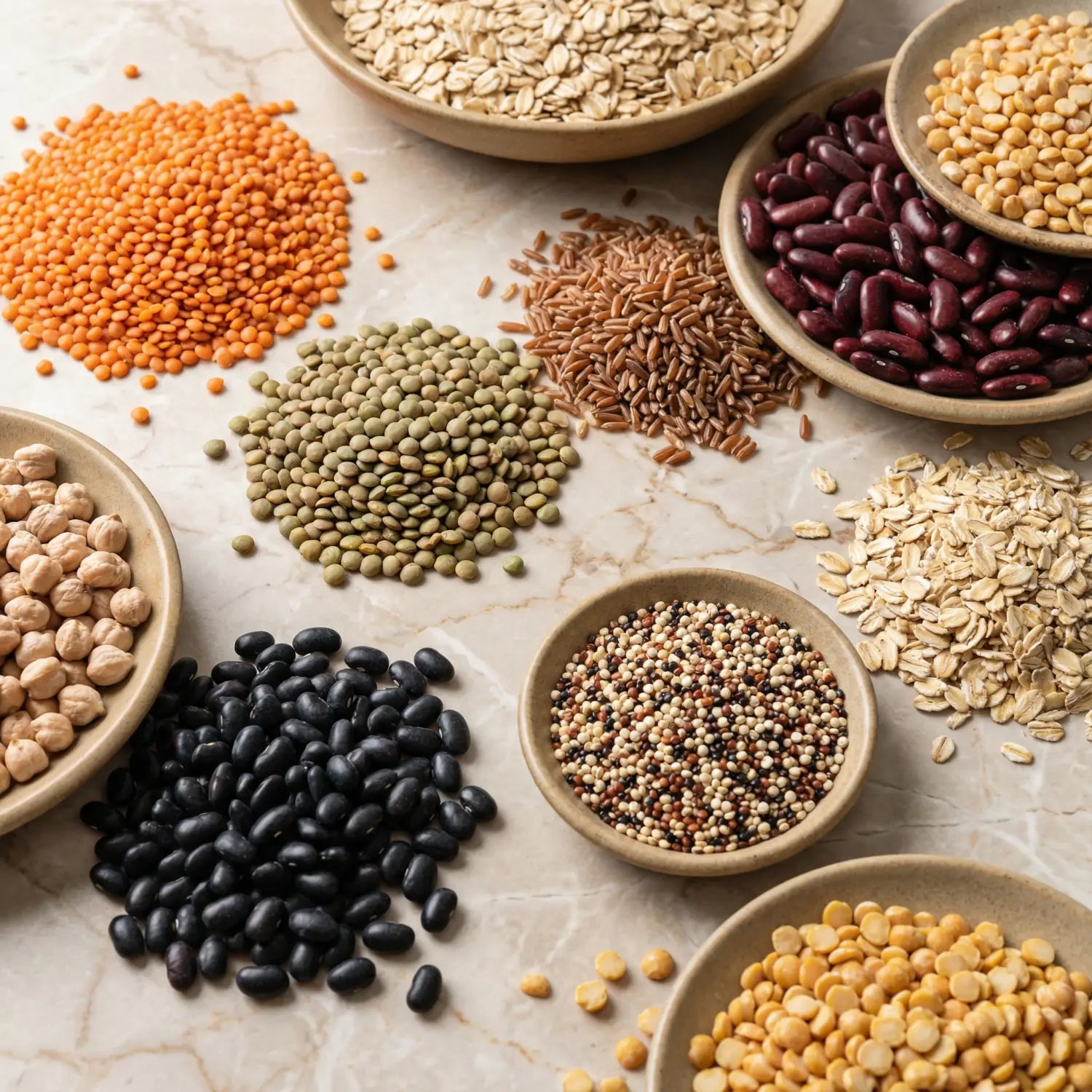
Plant-based proteins offer a wealth of nutrients beyond just protein, including fibre, vitamins, and minerals. The key to a successful vegetarian diet is variety. Combining different protein sources ensures you get all the essential amino acids your body needs. Here are some of the best plant-based protein sources to include in your diet:
• Lentils and Pulses: Lentils, chickpeas, and beans are protein powerhouses. A cup of cooked lentils packs around 18 grams of protein. They are also high in fibre, which aids digestion and helps you feel full longer.
• Grains: Quinoa is a complete protein, meaning it contains all nine essential amino acids. Other grains like brown rice, oats, and whole-wheat bread also contribute to your daily protein intake.
• Soy Products: Tofu, tempeh, and edamame are derived from soybeans and are excellent sources of protein. Tofu is incredibly versatile and can be used in everything from stir-fries to smoothies.
• Nuts and Seeds: Almonds, walnuts, chia seeds, and flaxseeds are not only rich in protein but also healthy fats and omega-3 fatty acids. A handful of nuts or a sprinkle of seeds can easily boost the protein content of your meals.
Protein timing for training and recovery
For those who are physically active, when you eat your protein can be just as important as how much you eat. Consuming protein after a workout helps repair and rebuild muscle tissue. Aim to have a protein-rich meal or snack within two hours of exercising. A post-workout protein shake can be a convenient and effective way to get the protein you need for recovery.

Simple recipes for a high-protein vegetarian diet
Here are a few simple meal ideas to help you boost your protein intake:
• Lentil and Vegetable Soup: A hearty and warming soup made with red lentils, carrots, celery, and onions. Serve with a slice of whole-wheat bread for a complete meal.
• Quinoa Salad with Black Beans and Corn: A refreshing and colourful salad that’s perfect for lunch. Combine cooked quinoa with black beans, corn, red onion, and a lime vinaigrette.
• Tofu Stir-fry: A quick and easy dinner option. Stir-fry firm tofu with your favourite vegetables and a flavourful sauce. Serve with brown rice.
Supplementing your vegetarian diet
While a well-planned vegetarian diet can provide all the protein you need, supplements can be a convenient way to ensure you’re hitting your targets, especially if you have a busy lifestyle or higher protein needs. Our Vegetarian Supplements collection offers a range of high-quality, plant-based protein powders and supplements to support your health and fitness goals.
For a convenient and delicious protein boost, try our NutriShake or Pea-Nutri protein powders. They are a great way to supplement your diet and support your active lifestyle.
For more information on vegetarian diets, the NHS provides comprehensive guidance on how to eat a balanced vegetarian diet.
Building a high-protein vegetarian diet is not only achievable but also delicious and rewarding. By incorporating a variety of plant-based foods and timing your protein intake effectively, you can support your health, fitness, and overall well-being. Explore our A to Z Products to find the perfect supplements to complement your vegetarian lifestyle.
Leave a comment