

Acne Support: Diet, Zinc and Probiotics
Most of us think of acne as a skin problem. But what if the root cause lies deeper? The latest science shows that acne is not just about what you put on your skin. It is an inflammatory condition that can be heavily influenced by your diet and gut health. A gut-first approach offers a powerful way to manage acne from the inside out.
This article explains the connection between your gut and your skin. We will look at practical, evidence-based steps you can take to support clearer skin, focusing on diet, zinc, and probiotics. No fluff, just actionable advice.
Understanding the Gut-Skin Axis
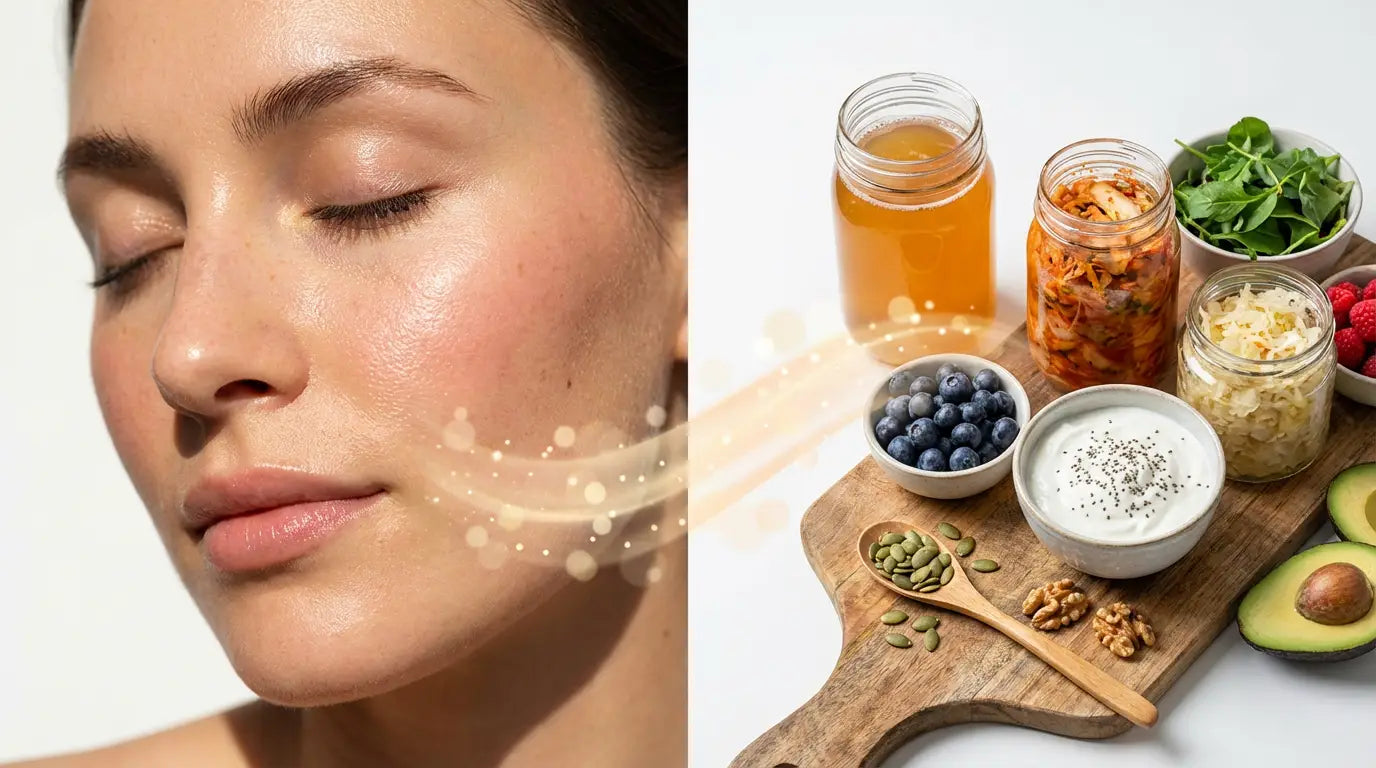
Your gut and skin are in constant communication. This connection, known as the gut-skin axis, means that the health of your gut microbiome can directly affect your skin. An imbalanced gut, or dysbiosis, can lead to systemic inflammation that shows up on your skin as acne. As the British Association of Dermatologists notes, acne is fundamentally an inflammatory disease. Addressing this inflammation is key to managing it.
Diet: Your First Line of Defence
While there is no single diet that cures acne, certain foods are known triggers. High-glycaemic foods, such as sugar, white bread, and processed snacks, can spike your insulin levels. This in turn can increase sebum production and inflammation.
Some studies also suggest a link between dairy and acne breakouts. Interestingly, skimmed milk appears to be more problematic than whole milk. A large-scale meta-analysis found that low-fat and skimmed milk had a stronger association with acne than full-fat dairy. There are a few reasons for this. Skimmed milk has a higher glycaemic index than whole milk, leading to a greater insulin spike. The process of removing fat also concentrates the hormones naturally present in milk, such as insulin-like growth factor-1 (IGF-1). IGF-1 is a key driver of acne, as it can stimulate the growth of skin cells and increase sebum production.
Instead, focus on a diet rich in whole foods. The NHS Eatwell Guide provides a solid foundation for a healthy, balanced diet. Think colourful fruits and vegetables, lean proteins, and healthy fats. These foods help to reduce inflammation and provide the nutrients your skin needs to thrive. Our Omega 3-6-9 oils can also help to support a healthy inflammatory response.
Zinc: The Skin-Supporting Mineral
Zinc is a vital mineral for skin health. It plays a crucial role in regulating the immune system and reducing inflammation. Research has shown that people with acne often have lower levels of zinc. Supplementing with zinc can help to reduce the severity of acne by lowering sebum production and fighting the bacteria that contribute to breakouts.
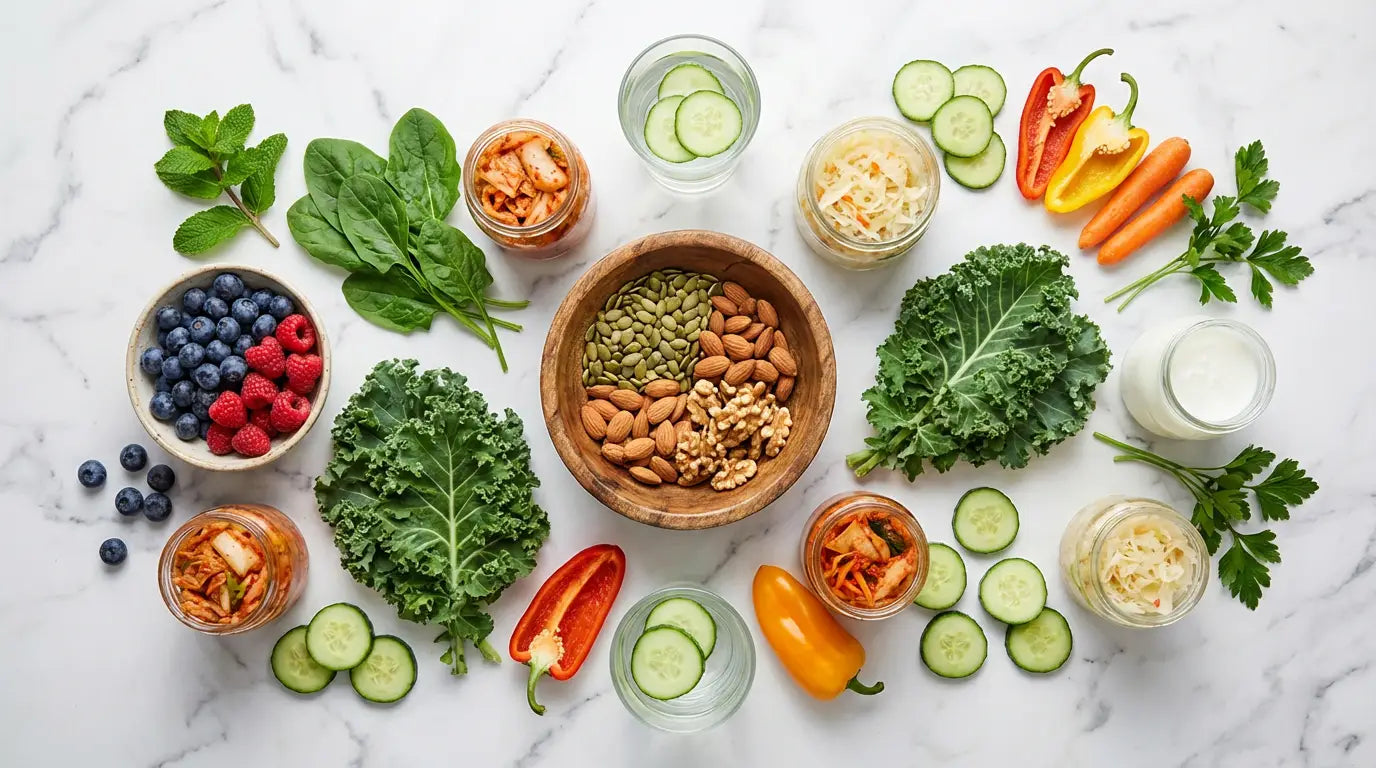
One study found that oral zinc sulphate was particularly effective in treating severe acne. While you can get zinc from foods like pumpkin seeds, nuts, and shellfish, a supplement can ensure you are getting a consistent, therapeutic dose. If you are considering a zinc supplement, it is always best to consult with a healthcare professional to find the right dose for you.
Probiotics: Balancing Your Gut for Clearer Skin
Probiotics are beneficial bacteria that help to restore balance to your gut microbiome. A healthy gut can lead to a reduction in systemic inflammation, which in turn can calm your skin. As we explored in our article on probiotics and IBS, a balanced gut is essential for overall health.
Scientific reviews have found that oral probiotics can modestly reduce acne severity. They work by strengthening the gut barrier, modulating the immune system, and reducing the inflammatory signals that can trigger acne. Look for supplements containing strains like Lactobacillus and Bifidobacterium, which have been studied for their skin benefits. Our Probiotic Bacteria Supplements collection offers a range of options to support your gut health.
A Simple Plan for Acne Support
Managing acne does not have to be complicated. By focusing on a gut-first approach, you can create a simple, sustainable routine that supports clearer skin from within.
1. Eat a balanced, low-glycaemic diet. Fill your plate with whole foods and reduce your intake of sugar and processed snacks.
2. Consider a zinc supplement. This essential mineral can help to reduce inflammation and sebum production.
3. Support your gut with probiotics. A daily probiotic can help to balance your microbiome and reduce systemic inflammation.
Taking care of your skin is about more than just what you see in the mirror. It is about supporting your body’s overall health. For more ways to support your skin from the inside out, explore our natural skin care collection.
Leave a comment