

Timing Your Shakes for Better Weight Loss
So you’ve got your protein shake, but you’re wondering when to drink it. Does timing really matter for weight loss? The short answer is yes. But maybe not in the way you think.
It’s not about a mythical 30-minute “anabolic window” after a workout. The science on that is flimsy at best. Instead, the real power of timing your protein shake lies in its ability to manage your appetite and work with your body’s natural rhythms.
Your Body’s Internal Clock
We all have an internal body clock, or circadian rhythm. This 24-hour cycle governs everything from our sleep-wake cycle to our metabolism. Research from King’s College London suggests that eating in sync with our body clock can have a significant impact on our health, including our weight.
When we eat, we send signals to our body. Eating at regular times helps to keep our internal clocks running smoothly. Irregular eating patterns, on the other hand, can throw our clocks out of sync, which has been linked to a higher risk of obesity and metabolic syndrome.
Morning: Front-Load Your Protein
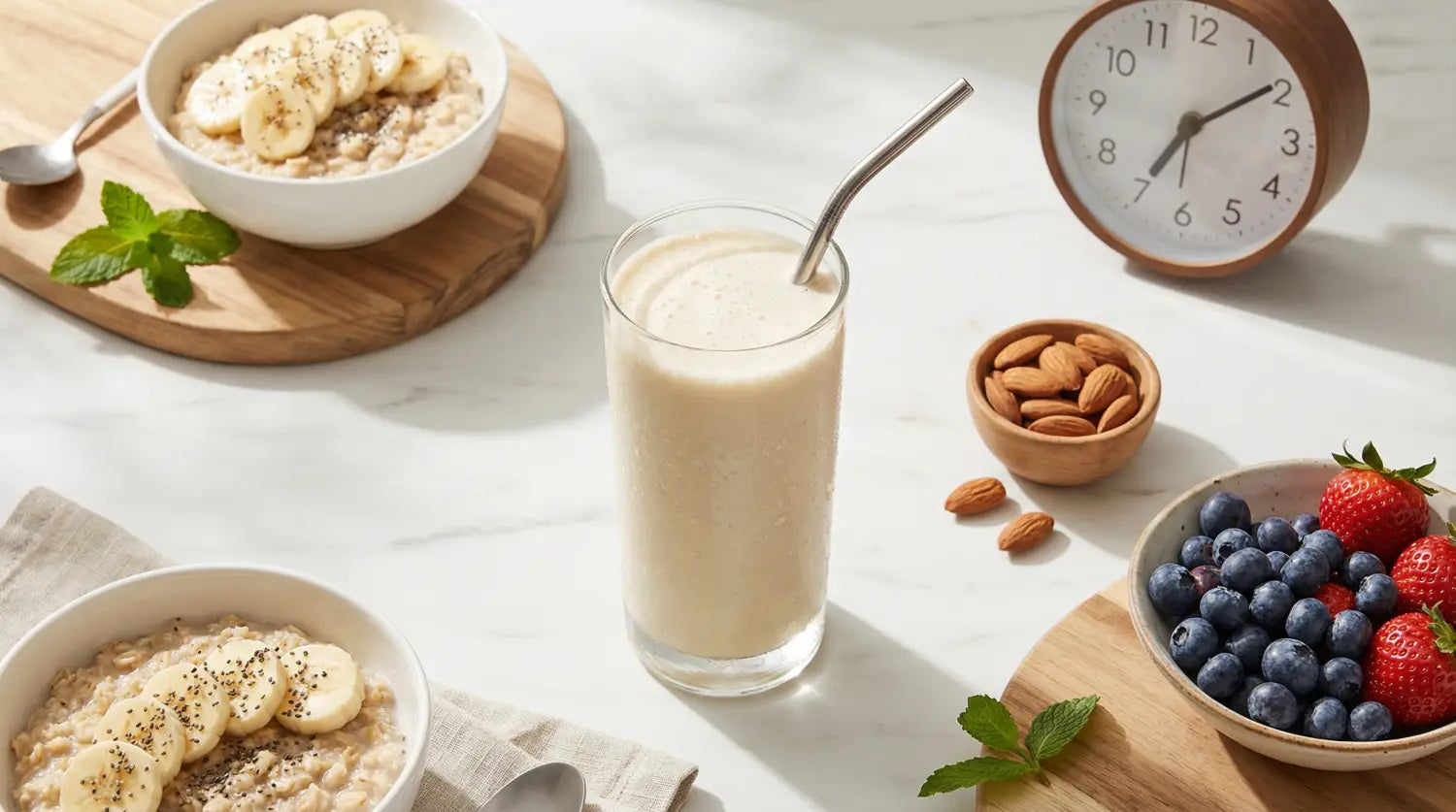 There’s a saying: “Eat breakfast like a king, lunch like a prince, and dinner like a pauper.” It turns out there’s some scientific truth to this. Studies have shown that consuming more of your daily calories earlier in the day can lead to greater weight loss and improved blood sugar control.
A morning protein shake can be a great way to front-load your protein intake. It helps to keep you feeling full and satisfied, reducing the likelihood of reaching for unhealthy snacks later in the day. This is because protein is the most satiating of the three macronutrients (protein, carbs, and fat).
Post-Workout: Recovery and Repair
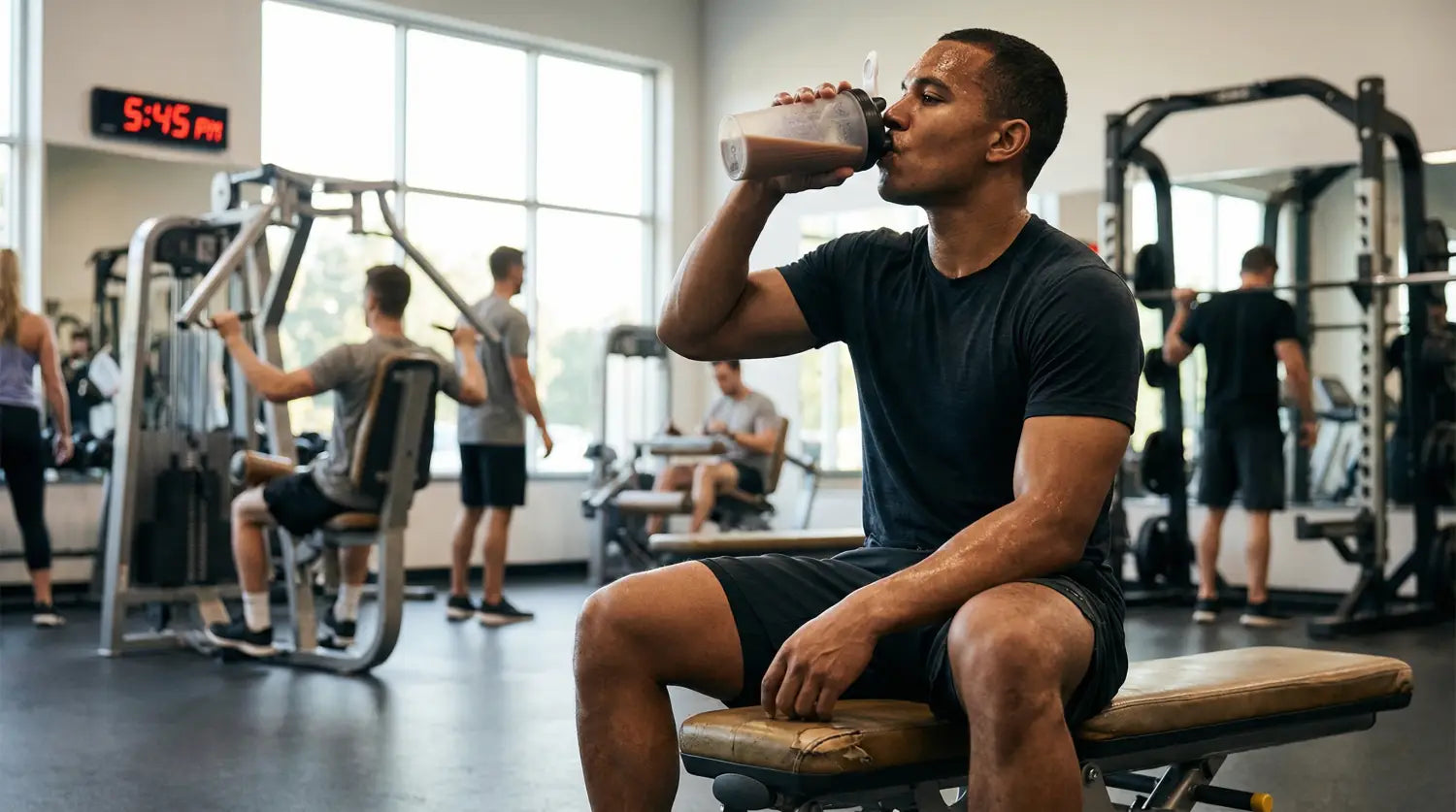 While the idea of a 30-minute “anabolic window” has been largely debunked, that doesn’t mean a post-workout protein shake is a bad idea. After a workout, your muscles are primed to absorb nutrients to repair and rebuild.
Research shows that consuming protein after a workout can help to stimulate muscle protein synthesis, the process by which your body builds new muscle. While the window of opportunity is much larger than 30 minutes (more like several hours), a post-workout shake is a convenient way to get the protein you need for recovery.
Evening: Curb Late-Night Cravings
 If you’re someone who struggles with late-night snacking, an evening protein shake could be a game-changer. A shake can provide a feeling of fullness and satisfaction, helping to curb those cravings for high-calorie, sugary snacks.
However, it’s important to be mindful of your overall calorie intake. While a protein shake is a healthier choice than a pint of ice cream, it still contains calories. If you’re not careful, a late-night shake could lead to weight gain rather than weight loss.
Training Days vs. Rest Days
It’s a common misconception that you only need to worry about protein intake on training days. In reality, your muscles are repairing and growing for up to 48 hours after a workout. This means that protein intake on rest days is just as important as it is on training days.
Aim to consume a consistent amount of protein each day, whether you’re hitting the gym or taking a day off. This will ensure that your muscles have the building blocks they need to recover and grow stronger.
The Snack-Swap Strategy
One of the most effective ways to use protein shakes for weight loss is to use them as a replacement for less healthy snacks. Instead of reaching for a bag of crisps or a chocolate bar, have a protein shake instead.
This simple swap can save you hundreds of calories over the course of a week, while also providing your body with the protein it needs to build and maintain muscle. And because protein is so satiating, you’re less likely to feel hungry again shortly after.
The Takeaway
When it comes to timing your protein shakes for weight loss, there’s no one-size-fits-all answer. The best time to drink a protein shake depends on your individual goals and lifestyle.
• For appetite control: A morning shake can help to keep you full and reduce cravings throughout the day.
• For muscle recovery: A post-workout shake can help to repair and rebuild muscle tissue.
• For curbing cravings: An evening shake can help to prevent late-night snacking.
Ultimately, the most important thing is to ensure you’re getting enough protein throughout the day. Explore our range of protein shakes to find the perfect one for you.
Leave a comment